
About the author:
Craig McBreen is a NASM-certified personal trainer and the founder of FiftyPlus Fitness. He got certified at 59, coaches men over 50 online and in person, and is stronger at 62 than he was at 32. More about Craig.
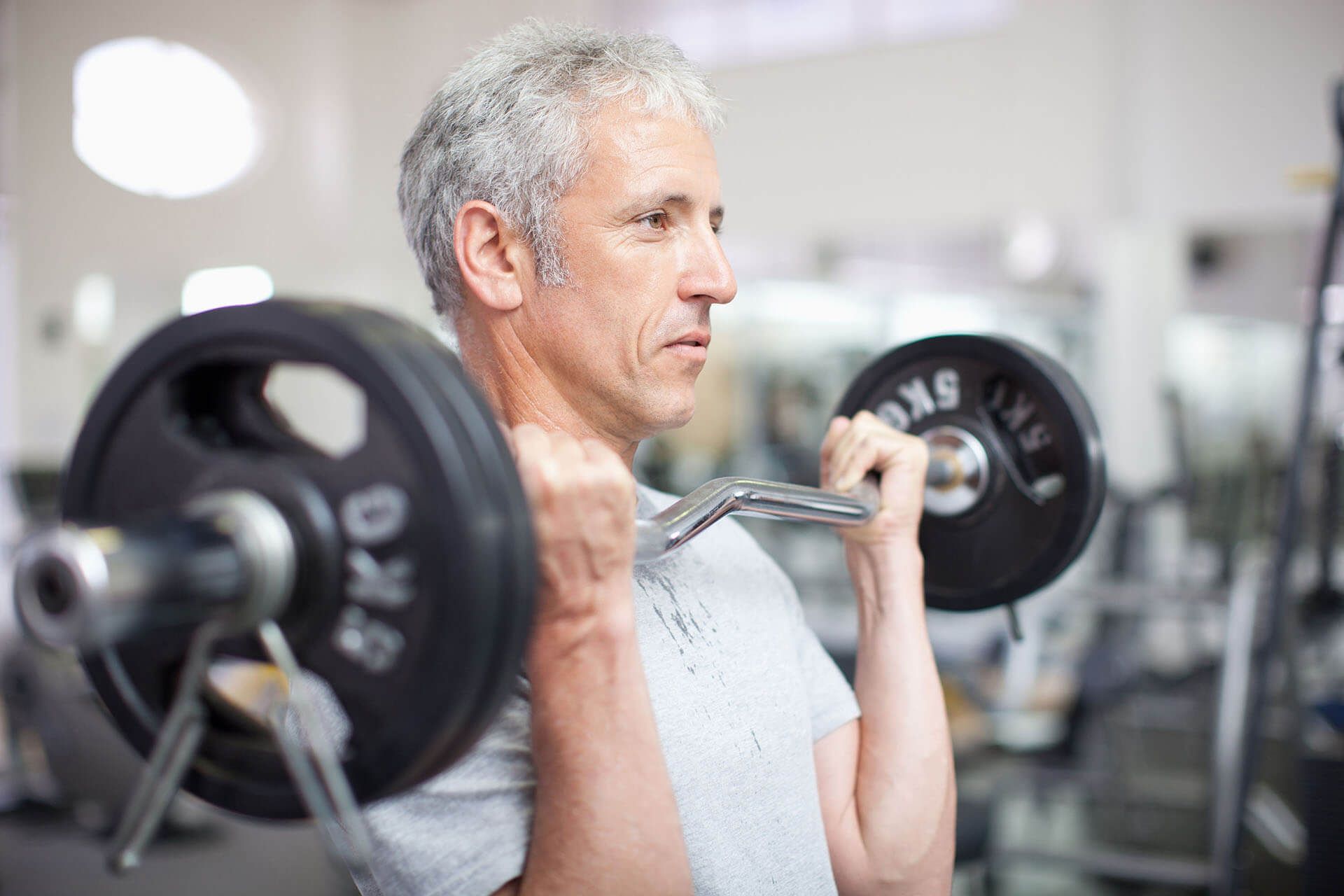
The short answer: You lose muscle every decade after 30, and your strength drops even faster than your muscle does. The fix is the same at 50, 60, or 70: lift three times a week, add a little over time, eat protein at every meal, and recover like it matters.
Now the long answer. Starting with my back.
Not "a little out of shape." A mess.
I spent the better part of two decades yo-yoing. Lose 20 pounds running. Gain it back. Repeat.
I ran a marketing business from a desk chair all day. Then I hit the treadmill at night. And I barely lifted a thing.
Skinny. Soft. Weak.
And my back? Forget it.
One day I turned around in my car to grab something off the back seat. That's it. I turned around. My back went out for a week.
Then there was my tailbone. Yes, my tailbone. Sit on a hard chair long enough, slouched over a keyboard, and you can actually bruise the thing. There's even a fancy name for it: coccydynia. I just called it "ow."
I had weeks where I did nothing but work, moan, and stick ThermaCare pads on every part of my body that would hold one.
"Weaker" is a mild way to put it.
You've probably felt your own version. A suitcase that feels heavier than it should. A hand on the counter to get up off the floor. A hike that wipes you out for two days.
Here's what's going on.
1. You're losing muscle. Slowly.
After 30, muscle mass drops about 3 to 8% per decade. It's a slow leak, not a blowout. That's why you don't notice it at 35. You notice it at 55.
2. Your strength drops faster than your muscle.
This is the part most people never hear.
In studies that measured both, strength fell 2 to 5 times faster than muscle size.
So it's not just how much muscle you have. Part of it is the wiring: how well your brain and nerves fire the muscle you still have. Use it or lose it applies to the wiring too.
3. You stopped asking your muscles to do hard things.
A desk all day. Walking or running at night. Maybe some yard work.
None of that asks your muscles to work hard. And your body only keeps what you use.
4. Your protein dropped.
After 50, your muscles get less responsive to protein. Researchers call it anabolic resistance. So you need more of it right when most men start eating less.
5. Pain makes you move less.
This was my loop. Back flares up. You rest. You get weaker. Your back flares up easier. You rest more.
Round and round.
I looked at my own numbers.
97 people have finished my free Strength Score. 37 of them, more than a third, said they've noticed a loss of muscle or strength in the last 3 to 5 years.
Here's the part that surprised me. 20 of those 37 already lift at least twice a week.
So lifting by itself isn't enough. Lifting without a plan, without adding a little over time, and without enough protein still leaves you sliding.
It's a small sample, not a study. But it matches what I see with the men I coach.
| Why you're weaker | What it looks like | The fix |
|---|---|---|
| Losing muscle | Shirts looser in the arms, tighter in the middle | Lift three times a week |
| Strength dropping faster than muscle | Heavier suitcases, harder to get up off the floor | Add a little load or reps over time |
| Not enough hard work | Lots of walking or running, little lifting | Big compound lifts |
| Low protein | Skipped breakfast, small lunches | 30 to 40 grams at every meal |
| The pain loop | Back flares, you rest, you get weaker | Pain-free versions of every lift |
Where does your strength stand?
Take the free FiftyPlus Strength Score. Two minutes. See where you stand on strength, nutrition, sleep, and consistency, and what to fix first.
Get your free strength Score1. Lift three times a week.
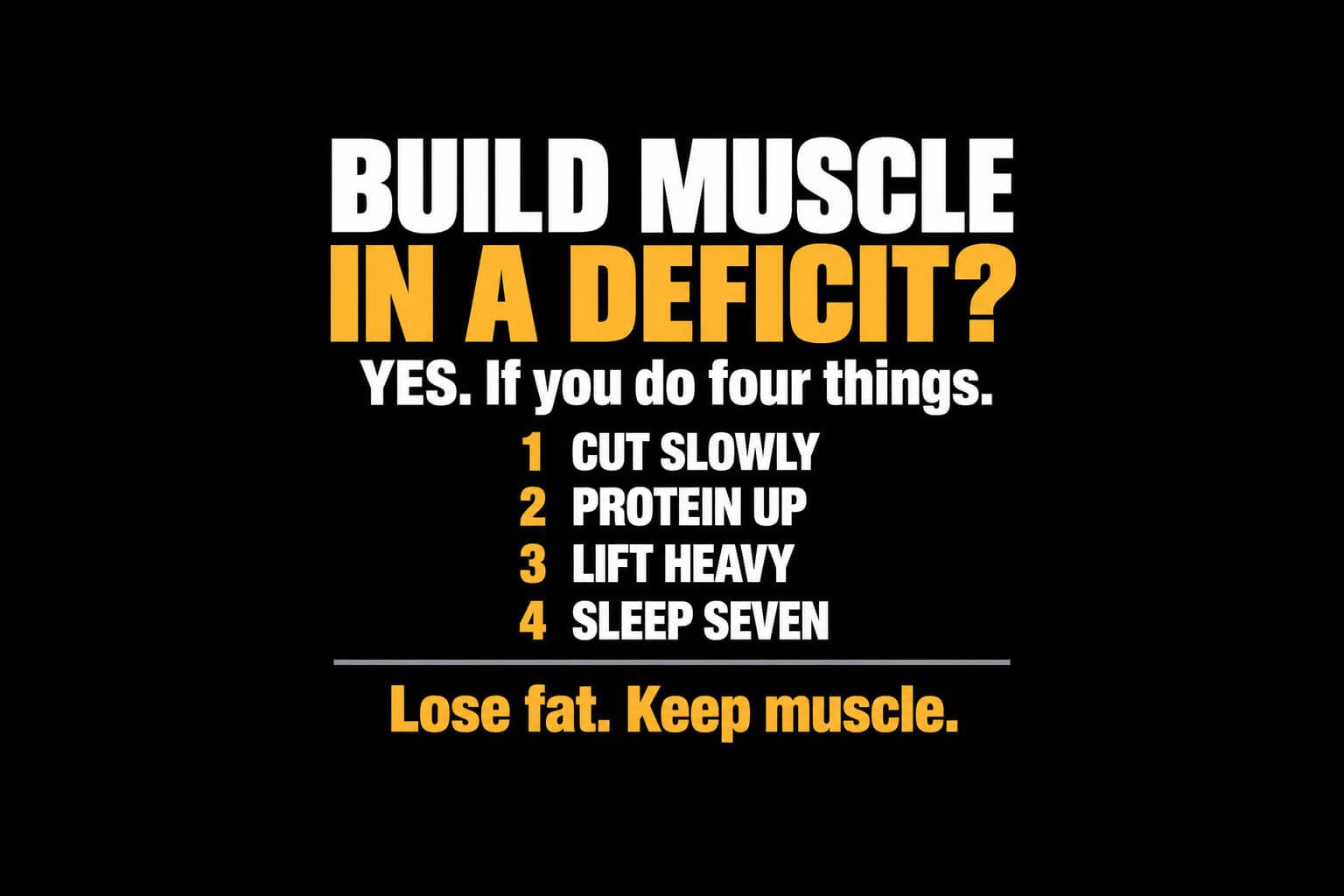
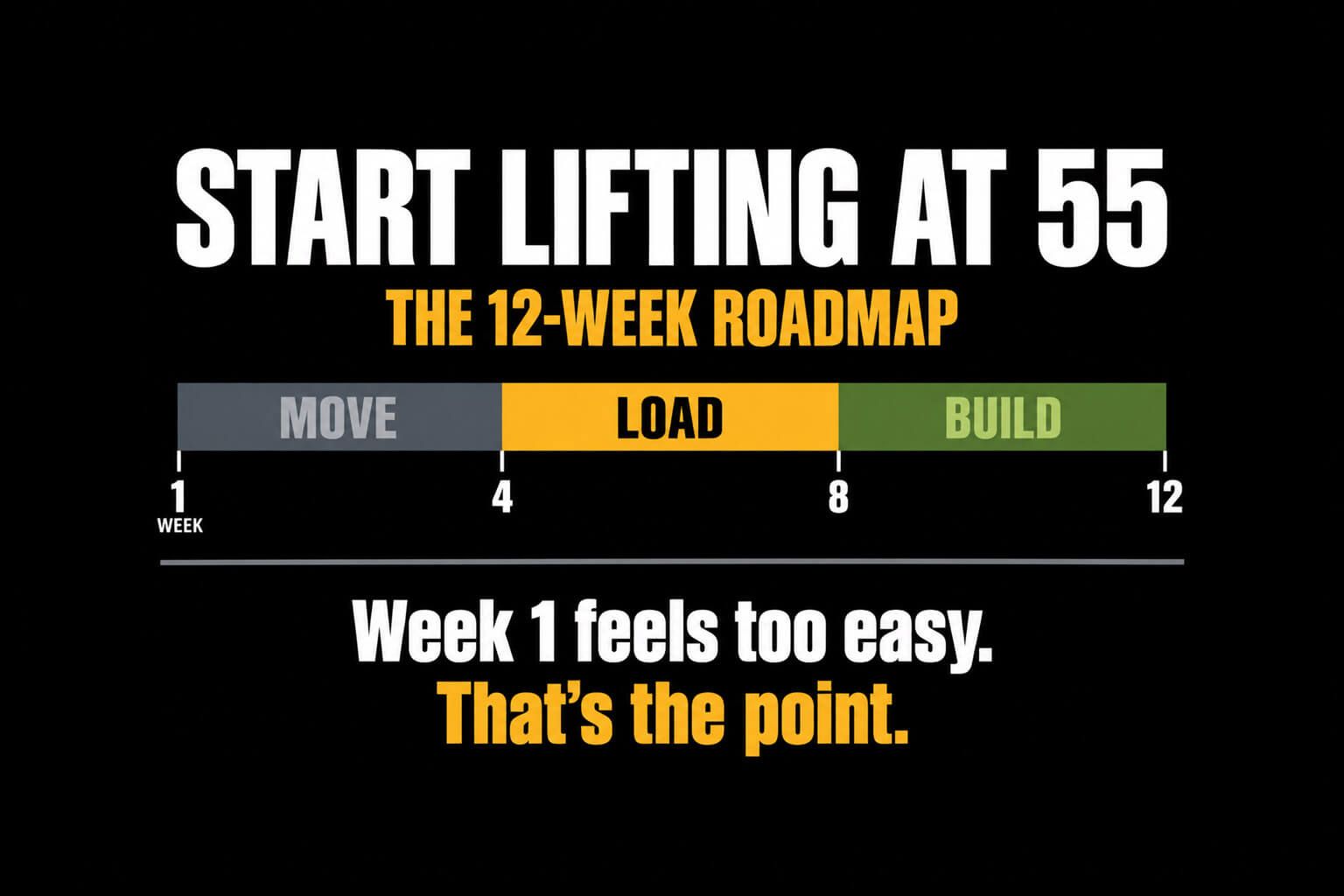
Forty minutes. A squat, a hinge, a push, a pull, and a carry. That covers your whole body.
New to this? Start with your own bodyweight. Squats to a bench. Push-ups against the kitchen counter. Planks. Then add a cheap set of dumbbells. That's exactly how I started, at home.
You don't need to lift heavy to build muscle after 50. You do need to work hard.
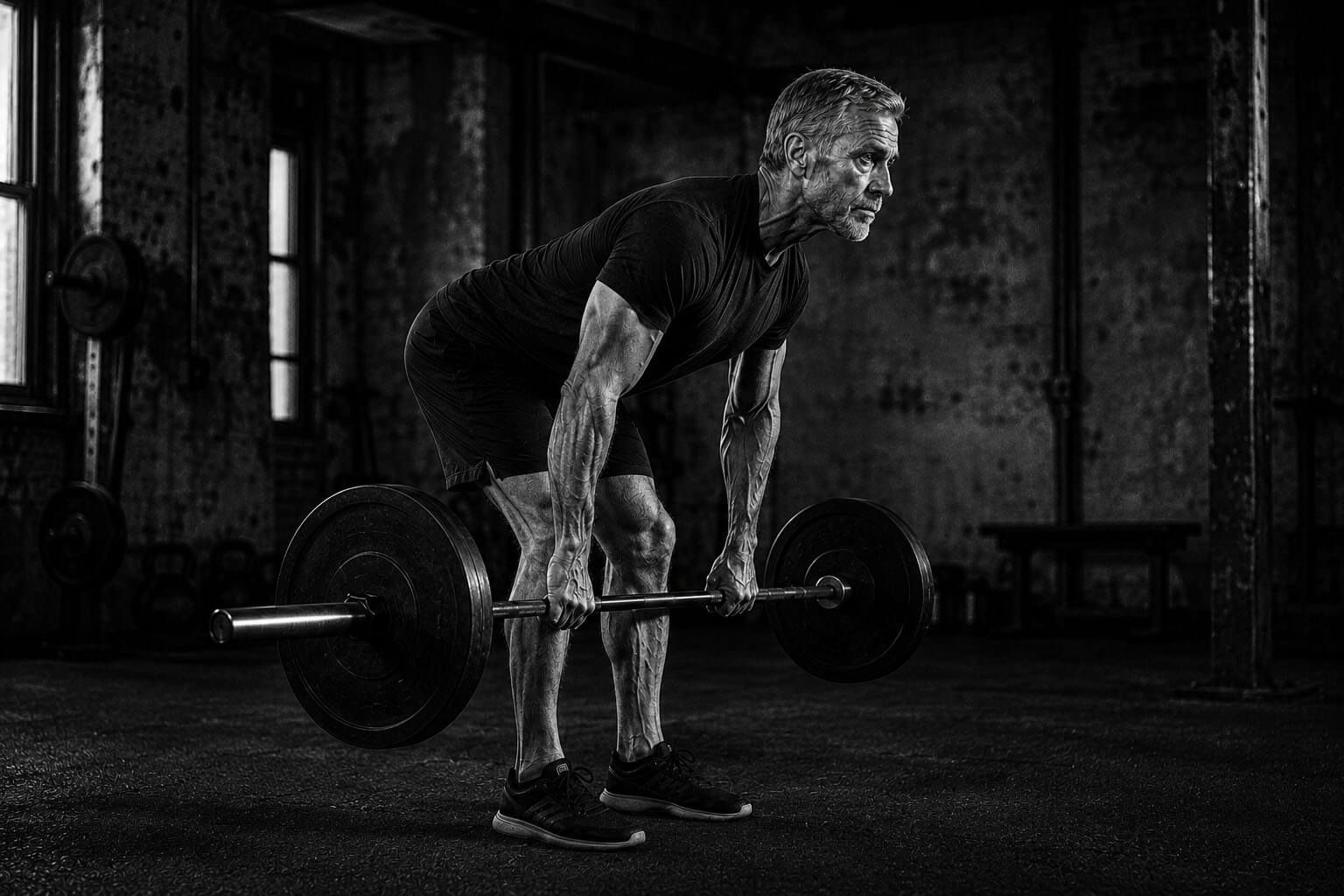
And learn the deadlift. It's a big reason my back stopped running my life. Here's why I think the deadlift keeps you strong after 50.
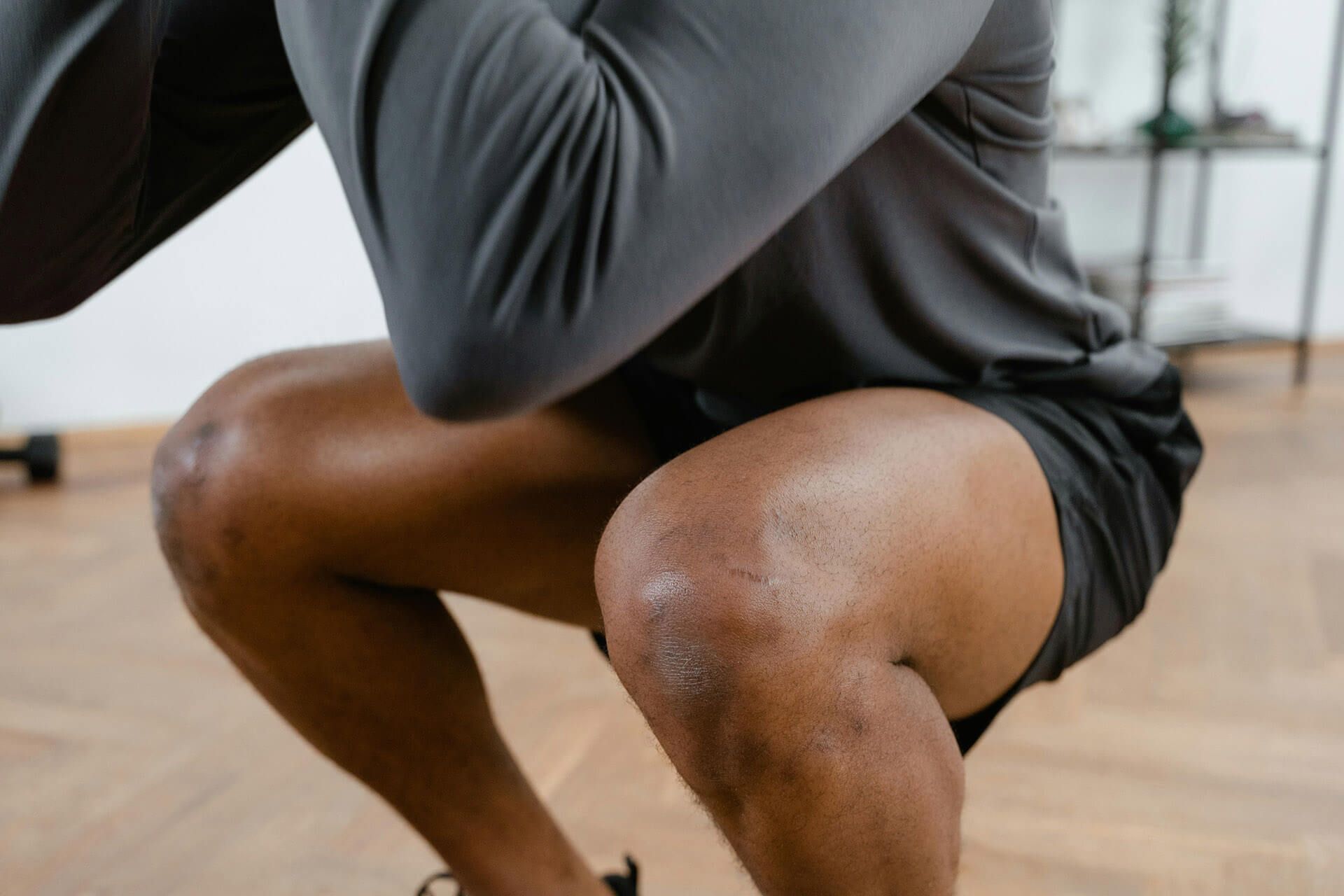
Bad knees? Cranky back? A surgery in your past? Every one of these lifts has a version that works around it. Use the version that stays under 3 out of 10 on pain, during the set and the next morning. If you have a medical condition, check with your doctor before you start.
2. Add a little over time.
This is where most men stall, including those 20 who already lift.
My rule: reps first, then weight. When you hit the top of your rep range on every set and still have 2 or 3 reps left in the tank, go up.
Pick one goal you can measure. Five push-ups in a row. Getting up off the floor without a hand, if your knees allow it. Small wins stack.
3. Eat protein at every meal.
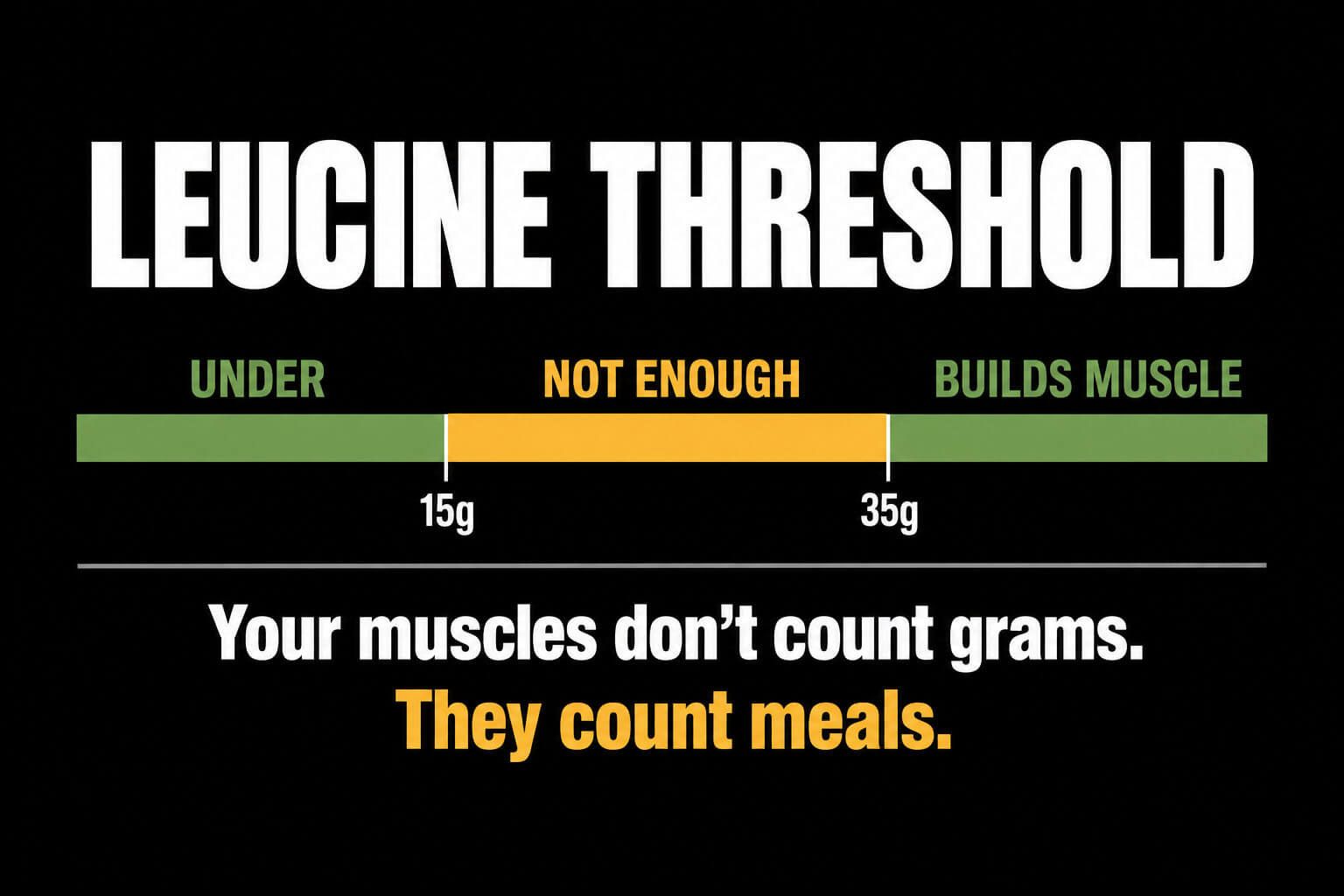
Aim for 30 to 40 grams each time. Eggs or Greek yogurt in the morning. Chicken, fish, or beef at lunch and dinner.
Most men are eating about half the protein they need. Fix that first. Everything else gets easier.
4. Recover like it matters.
You don't bounce back overnight anymore. Neither do I.
Seven hours of sleep. A walk every day. Rest days you actually take. Your muscles rebuild between sessions, not during them.
At 55, I finally stopped guessing.
I started lifting. Dumbbells first, then the deadlift. I fixed my protein. I took recovery seriously.
The back pain went away. The ThermaCare pads went in a drawer. At 59, I became a NASM-certified personal trainer.
At 62, I'm stronger and leaner than I was at 32.
Getting weaker after 50 is common. It's not a sentence.
Strength has no expiration date.
Want the full playbook? Start with building muscle after 50.
It’s common, but it’s not set in stone. Muscle mass drops about 3 to 8% per decade after 30, and strength drops even faster. Most of that slide comes from muscle you stopped using, and you can rebuild it.
Yes. Your muscles still respond to lifting at 50, 60, and beyond. Lift three times a week, add a little over time, and eat protein at every meal. In my experience, most people feel noticeably stronger within the first 6 to 8 weeks.
Usually it’s the plan, not the effort. If the weights never go up, protein is low, or recovery is short, you can train for years and still slide. In my Score data, 20 of the 37 people who noticed strength loss already lifted at least twice a week.
Three times a week, about 40 minutes a session. Two sessions is a fine place to start. Cover the big movements every week: a squat, a hinge, a push, a pull, and a carry.
No. You don't need to lift heavy to build muscle after 50. You need to work hard, not lift heavy. Lighter weights taken close to failure build strength too, and they’re easier on your joints.
Ready to get strong again?
Take the free FiftyPlus Strength Score. Two minutes. I'll read your results and show you what to fix first.
Get your free strength ScoreAfter your Score, you can book a free 20-minute call. No pitch. No pressure. Just an honest conversation.
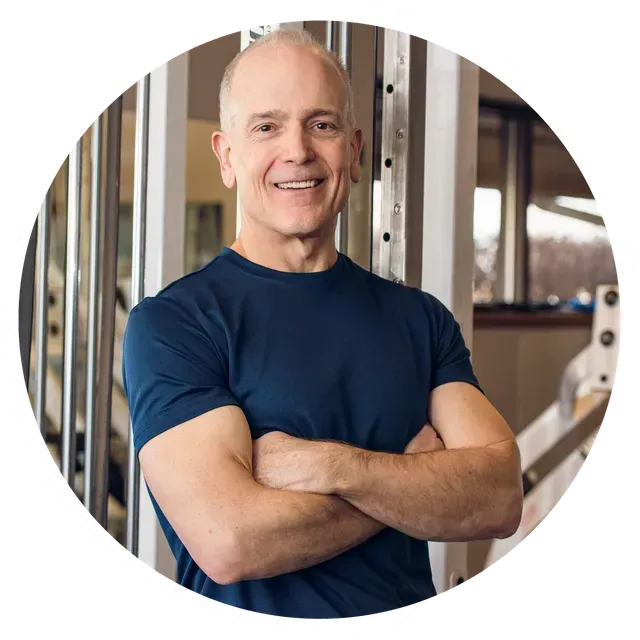
About the author:
Craig McBreen is a NASM-certified personal trainer and the founder of FiftyPlus Fitness. He got certified at 59, coaches men over 50 online and in person, and is stronger at 62 than he was at 32. More about Craig.


© 2026 FiftyPlus Fitness. All Rights Reserved