I'm 62, and I Don't "Work Out" Anymore

Craig McBreen • February 16, 2026

For years, I thought getting in shape meant grinding through cardio sessions and suffering through restrictive diets.


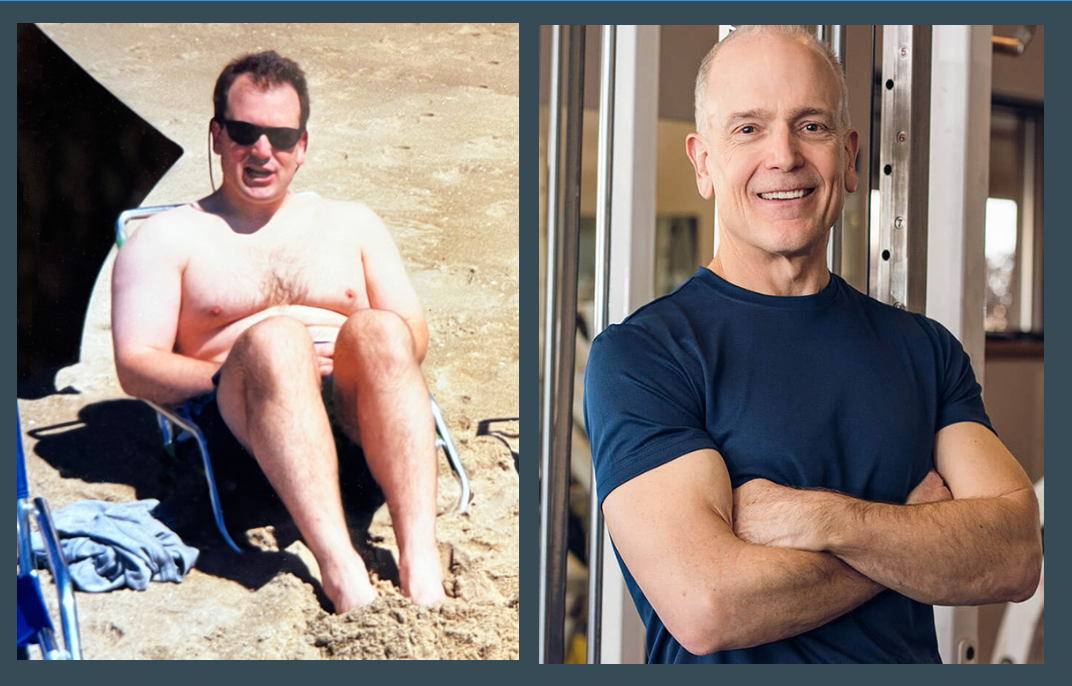
At 36-ish, I was about 240 pounds with a bad back, convinced that if I just ran more and ate less, everything would click.


It didn't.


I lost some weight, sure. But I also lost my energy. I was tired by mid-afternoon, still soft around the middle, and weaker than I'd ever been.


People call this skinny-fat. And I went from fat to skinny-fat with crippling back pain and an obsession with long cardio sessions because I thought it was the secret to getting fit! It wasn't!


Today at 62, I'm stronger than I was in my 30s and 40s. I won't bore you with all the in-between stuff, but my new secret is this: I don't "work out" anymore.


What the heck do I mean by not working out anymore?


I build strength. 


And it's simpler than you'd think.


The Real Problem We're Fighting


Here's what nobody tells you about getting older: your body starts cannibalizing your muscle. Scientists call it sarcopenia. I call it the reason staying active isn't enough anymore.


As you age, your body becomes less efficient at building muscle (muscle protein synthesis), and muscle breakdown stays the same or increases.


Let's break this sciency stuff down a bit more...


Sarcopenia is muscle loss as a result of aging and hormonal shifts. Meaning your muscles don't respond to things like exercise or eating protein like they did when you were 21.


Atrophy is typically the result of sarcopenia hitting you, you then move less (because it feels harder), which triggers the dreadful disuse atrophy... meaning you're not just losing muscle to age, you're losing it because you're not working it!


So these two are kinda like a double whammy that not only makes you weaker, but also causes inflammation and metabolic issues.


NOT GOOD!


Walking your dog is great, and certainly better than not moving... but it won't stop muscle loss. And muscle is what keeps you independent because it protects your joints, keeps your metabolism running, and lets you do the things you actually want to do.


That's why you need a different approach after 50.


What Actually Works (And How I Figured It Out)


I spent 30 years in marketing and branding, building a successful business. But I was also building a body that was falling apart. I was glued to my desk, my back hurt constantly, and I was convinced the treadmill was my salvation. (Man, was I wrong!)


In my late 30s, I hit 240 pounds. I felt like crap and was heading toward serious health risks. I tried to run it off. I logged miles, ate less, and suffered my way through restrictive diets. Some weight came off, but I was exhausted, weak, and my back pain never went away.


Then, in my 50s, something clicked. I realized I'd been approaching fitness all wrong. I started focusing on three simple things:

  • Lifting weights
  • Eating enough protein
  • And walking.


No gimmicks or hacks, no extreme programs. Just simplicity and consistency.


Also, at 59, I got certified as a personal trainer. Not just because I wanted a new job (I still run my marketing business), but because I wanted to help people avoid the mistakes I made.


Now at 62, I'm stronger, leaner, and pain-free. And you can do this too.


Here's what works:


1. Lift weights 2-3 times a week


You don't need to live in the gym. Two or three focused strength sessions with slow, controlled movements will do more for you than hours of cardio ever will.


You're building the muscle that protects your body and keeps you moving well.


I started with bodyweight exercises and a cheap set of dumbbells from Walmart. Nothing fancy. Just squats, presses, rows, curls, etc. The basics.


Over time, I got stronger. My back pain disappeared. AND... my energy came back.


You can do this too.  Start with what you have, even if it's just your body weight. The key is building the fitness habit, not perfection.


2. Eat enough protein


Most people don't eat nearly enough. Aim for 0.7 to 1 gram per pound of body weight. It's the building block your body needs to maintain muscle. Without it, you're spinning your wheels.


I used to skip breakfast, eat a sad desk lunch, and wonder why I felt like garbage. Now I start my day with eggs, eat protein-first meals, and sneak in Greek yogurt. I won't detail everything I eat, but the bottom line is this: It's simple stuff. No meal prep insanity.


You can do this too. You don't need a complicated meal plan. Just prioritize protein (and whole foods) at every meal and watch how your body responds.


3. Walk regularly


Forget soul-crushing cardio. Walking burns fat without beating up your joints or spiking your stress hormones. It's the perfect complement to strength training.


I walk 10 thousand-ish steps most days. Sometimes more, sometimes less. It's not about hitting a perfect number. It's about moving consistently.


And when I do cardio, it's short sprints or a weekly mile run. Nothing excessive!


You can do this too. Park farther away. Take the stairs. Walk after meals. It all adds up.


That's it. No magic pills, no extreme programs.


You're Not Slowing Down. You're Just Training Smarter


The fitness industry wants you to believe aging means inevitable decline. They want to sell you shortcuts and supplements.


I've been where you are... frustrated, tired, and not sure what actually works. I wasted years chasing the wrong solutions. But here's what I've learned: you can absolutely transform your health after 50. It's not too late. Your body is still capable of incredible change.


The problem is most people are held back by myths. Things like "you're too old," "you'll get hurt," "it won't make a difference." I spent years believing those same lies. Don't let them stop you.


What you need isn't more complexity. You need a plan that fits your life and delivers results.


Consistency beats perfection every time.


Want to see where you stand?


Take the free  Longevity Assessment and get your personalized score.


By Craig McBreen • October 4, 2026
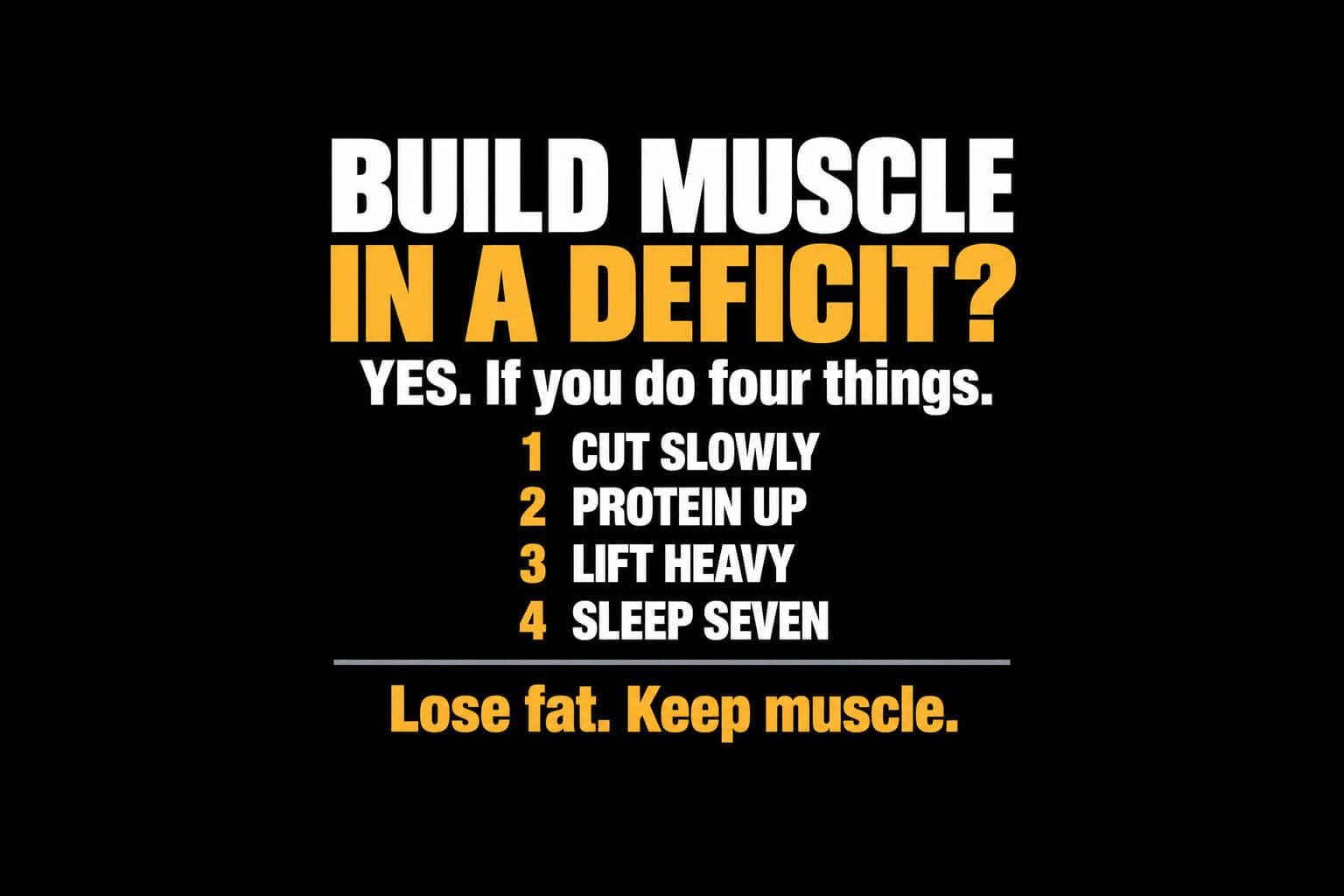
Yes. BUT… it depends on who you are. You might be new to lifting, starting after years off, or carrying some extra fat. If so, you can build muscle and lose fat at the same time. But if you’re lean and have been training. Well, let’s just say it’ll be a wee bit more difficult. Regardless, your goal should be to keep every pound of muscle while losing fat. That’s me being honest, but here’s what decides it… Why most men over 50 lose muscle when they diet You cut calories, the scale drops, and you feel like all is good. Then you look in the mirror months later, and you’re a smaller version of the same soft body. Lighter, not leaner. So, what the heck happened? Your body needed energy, and it took it from where it could. Some from fat. Some from muscle. And after 50, muscle is something you can't afford to lose. I lived this. At 36, I was 240 lbs. In my 40s, I got “fit” by running. I was addicted to endless cardio , ate whatever, and lost the same 20-30 lbs several times. I also felt like crap, lacked energy, and was, frankly, a little soft. I wasn’t lazy. I was burning away the one thing that would have fixed me. Muscle. The four things that decide it 1- Don’t cut too hard: This is where most men go wrong. A 1,200-calorie crash diet doesn’t build anything and isn’t sustainable. It strips muscle and wrecks your training. Been there, done that! Aim for a moderate deficit. Roughly 300 calories below what you burn. That’s about half a pound per week. Sounds slow because it is, and that’s the point. Lose faster than about 1 percent of your body weight a week, and you might start losing muscle too. I watch this number with clients who drop too fast. I raise their calories. This sounds counterintuitive and really surprises people, but it shouldn’t. 2- Protein goes up, not down When calories come down, protein goes up. And it’s the one thing that doesn’t get cut. Target 0.8 to 1 grams of protein per pound of bodyweight. At 190 lbs, that’s 150-190 grams. In a deficit, lean toward the top of that range. And the daily total isn’t the whole story. Your muscles only build when a single meal is big enough to trigger it, which after 50, means roughly 35-40 grams each meal. You can hit 150 grams a day in snacks and small plates and trigger almost nothing. I wrote about why here: You Hit Your Protein Target and Still Aren’t Gaining Muscle . Three to four meals a day. And no grazing. 3- Lift and get stronger Protein is the raw material. Lifting is the signal that tells your body to spend it on muscle instead of burning it. Without the lifting signal, a high-protein diet is just expensive food. Start with three sessions a week. Forty minutes. Progressive overload, which means the weight or intensity goes up over time. In a deficit, you may not add much. That’s fine. Holding your numbers while the scale drops means you’re keeping muscle, and that’s a win. Don’t chase soreness. Don’t add extra cardio because you want faster results. Yes, cardio burns calories, but it doesn’t send the “build” signal. And it interferes with recovery. 4- Sleep, or none of it works Repair happens while you sleep. Cut sleep short and you lose more muscle and less fat. 6.5 to 7+ hours of sleep. Who gets the best results? Four groups do well at building muscle and losing fat at once: Men new to lifting. Your body responds to a stimulus it’s never seen. Men coming back after years off. You’re rebuilding muscle you had, and that happens faster than building new muscle. Men carrying extra body fat. You have plenty of stored energy to fuel the work. Men who have been under-eating protein. Fixing that alone changes things. Most men over 50 who come to me are in at least two of these groups. That's why the first few months often look better than the research would predict. What does progress look like? The scale is the worst tool for this. If you’re building muscle and losing fat at the same time, your weight might barely move for a month. The scale says nothing is happening. Your clothes say otherwise. So track more than one thing: Weekly average bodyweight Waist measurement, once a week Photos every 2-3 weeks Your training log, every session A single number is noise. Your pattern over time is the information you want to pay attention to. Then what? You don’t stay in a deficit forever. When you hit your target, calories come back up slowly. Call it 100 a week until you’re back at maintenance. Protein stays. Lifting stays. Done gradually, you hold the muscle and most of the fat loss. Drop back into how you used to eat overnight, and you’ll get the weight back fast. What I’d tell you Stop trying to lose weight. Start trying to lose fat while keeping muscle. These two sound the same but aren’t. One has you eating less and running more. The other has you lifting three times a week, eating protein at every meal, and dropping weight slowly enough that your body has no reason to raid your muscle for fuel. At 62, I’m stronger and leaner than I was at 32. Not because I found something clever, but because I stopped doing things costing me muscle and started doing things to build muscle. The real goal isn’t the number on the scale. It’s that the habit runs without you thinking about it. Where to start Take the strength score . Two minutes. It maps your protein, sleep, stress, and training against what your body actually needs after 50, and tells you which one is costing you the most right now. Before the plan comes the score .
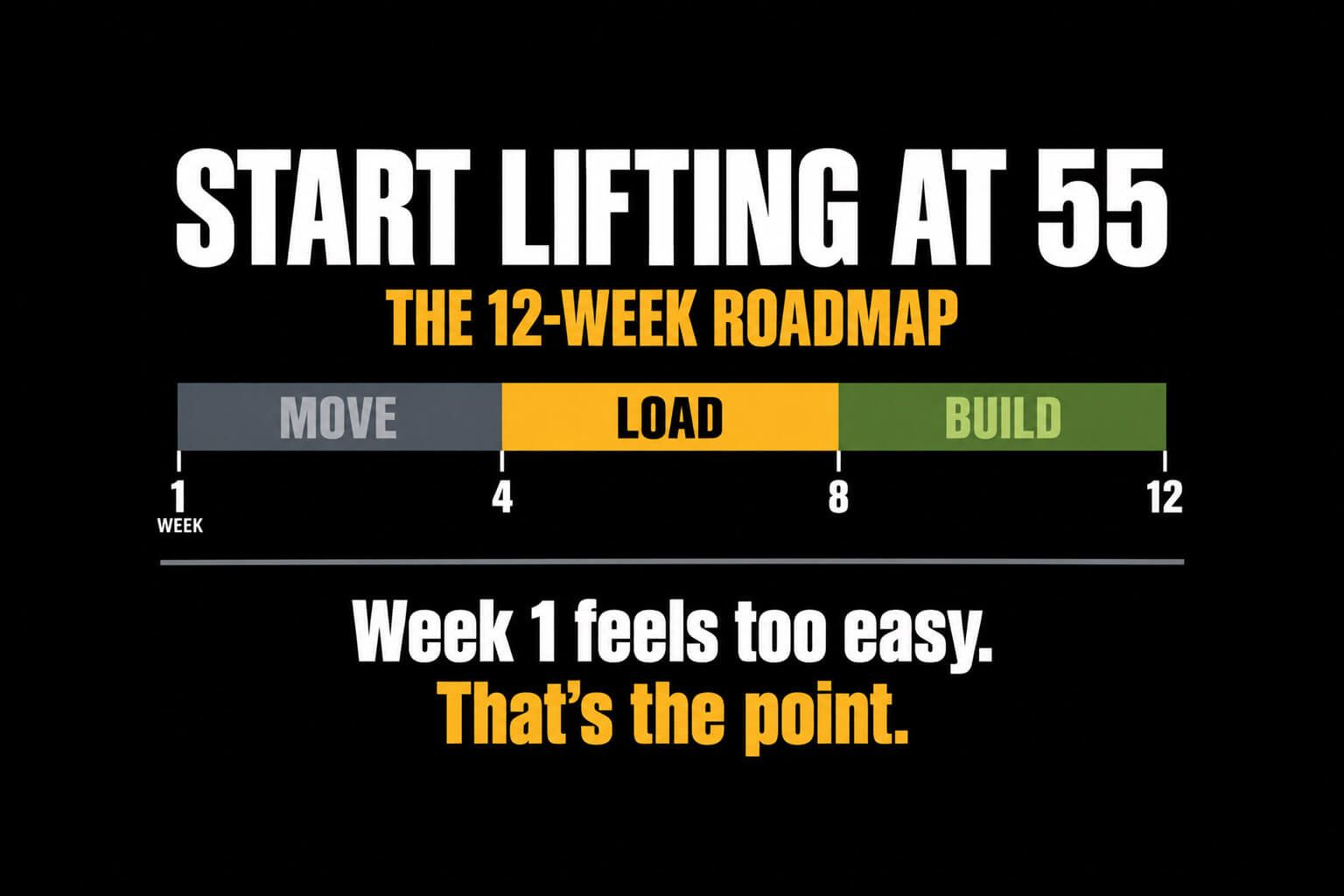
Bold fitness graphic: “Start lifting at 55” with a 12-week roadmap and “Week 1 feels too easy. That’s the point.”
By Craig McBreen • October 2, 2026
Starting strength training at 55 with zero experience? A NASM trainer who rebuilt himself in his mid 50s lays out the 12-week plan, phase by phase.
Black title card with orange 7 and white text: “Fitness Myths Keeping Successful Men Over 50 Out of Shape”
By Craig McBreen • September 29, 2026
You built a career most people envy. So why is your body the one thing you can't get under control? Seven beliefs quietly working against men over 50...
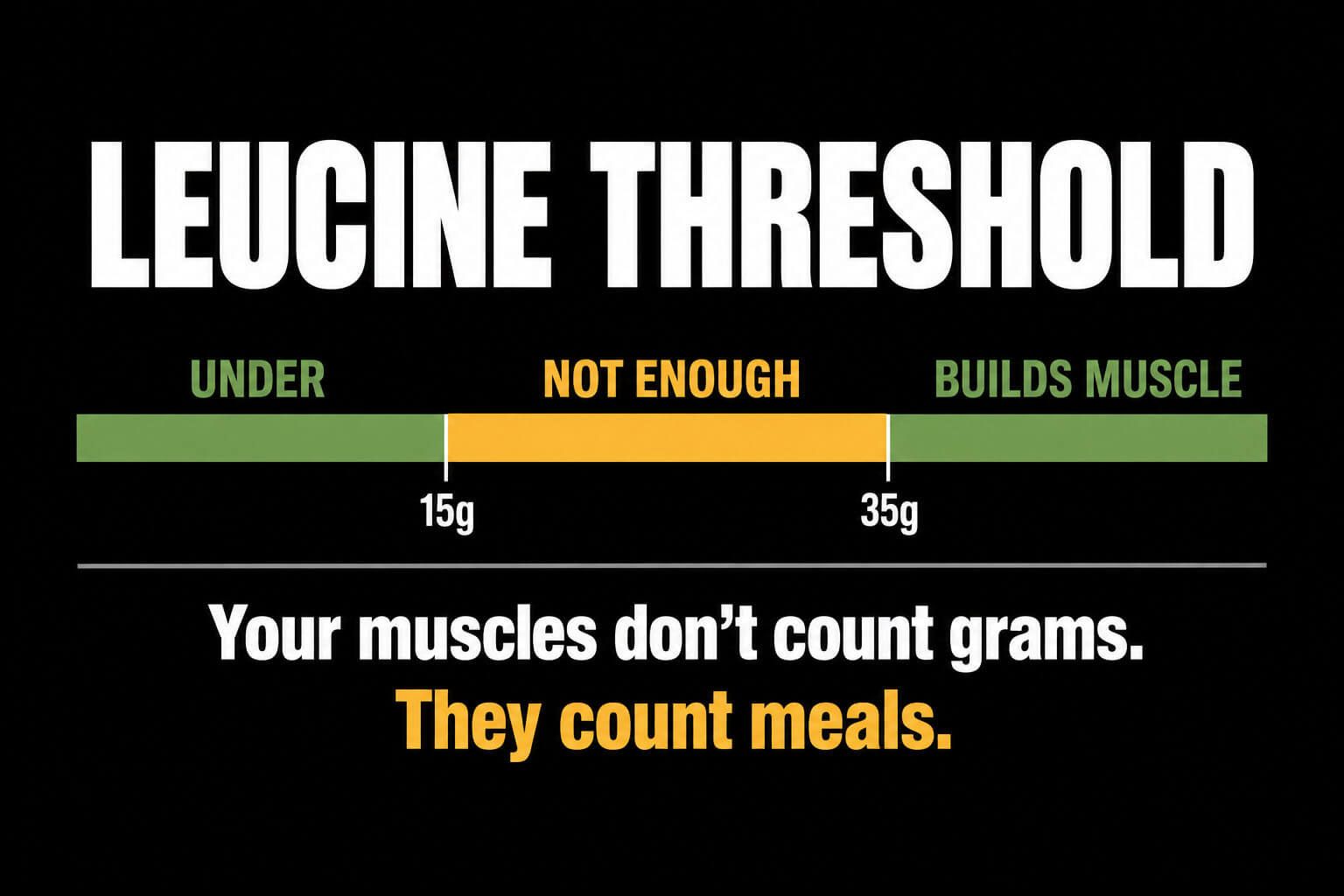
Leucine threshold infographic with green-yellow-red bar showing 15g under, 35g builds muscle, and “They count meals.”
By Craig McBreen • September 19, 2026
After 50, total protein isn't the problem. Meal size is. Here's the leucine threshold, why 35 grams per meal matters, and the breakfast fix that...
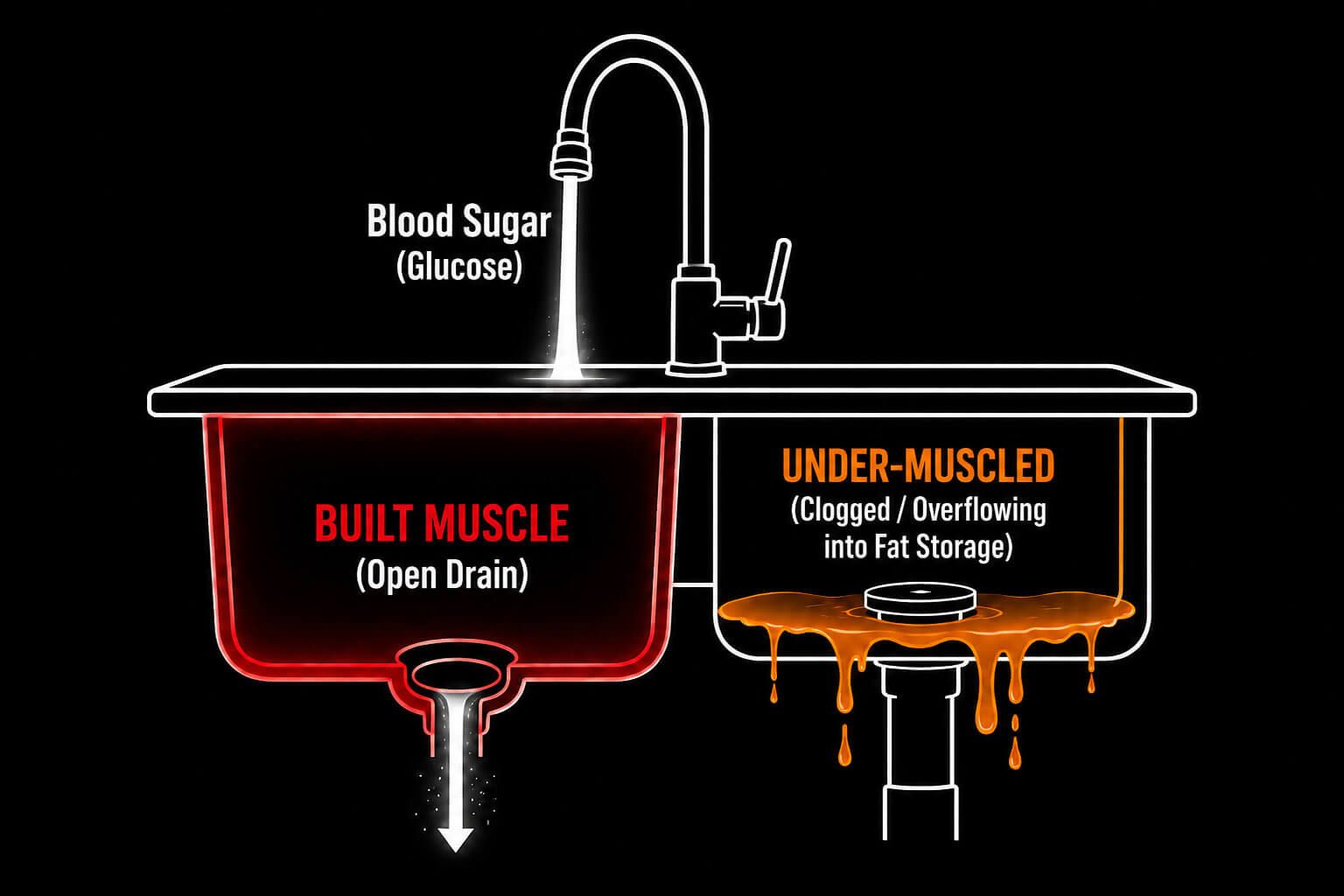
Diagram of blood sugar and muscles, showing bulging muscle draining and under-muscled energy-overflowing tissue.
By Craig McBreen • August 17, 2026
Mainstream medicine treats downstream symptoms. Discover how building muscle clears blood glucose, restores insulin sensitivity, and stops fat storage.
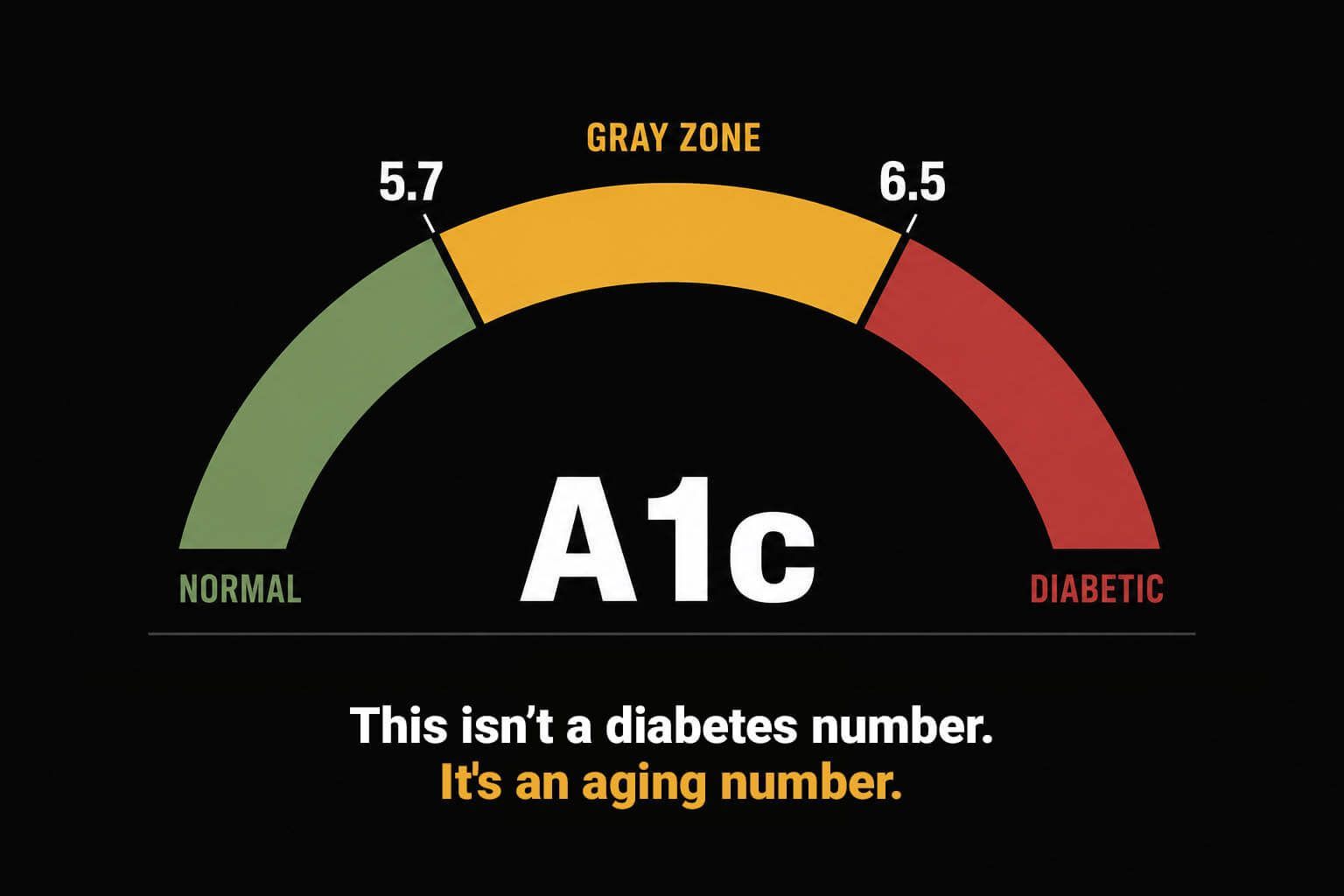
A1c gauge with green normal, yellow-gray zone, red diabetic; text says it’s an aging number, not a diabetes number
By Craig McBreen • July 27, 2026
Your doctor said your A1c is "a little elevated" and moved on. Here's what that number actually means after 50, and how to...
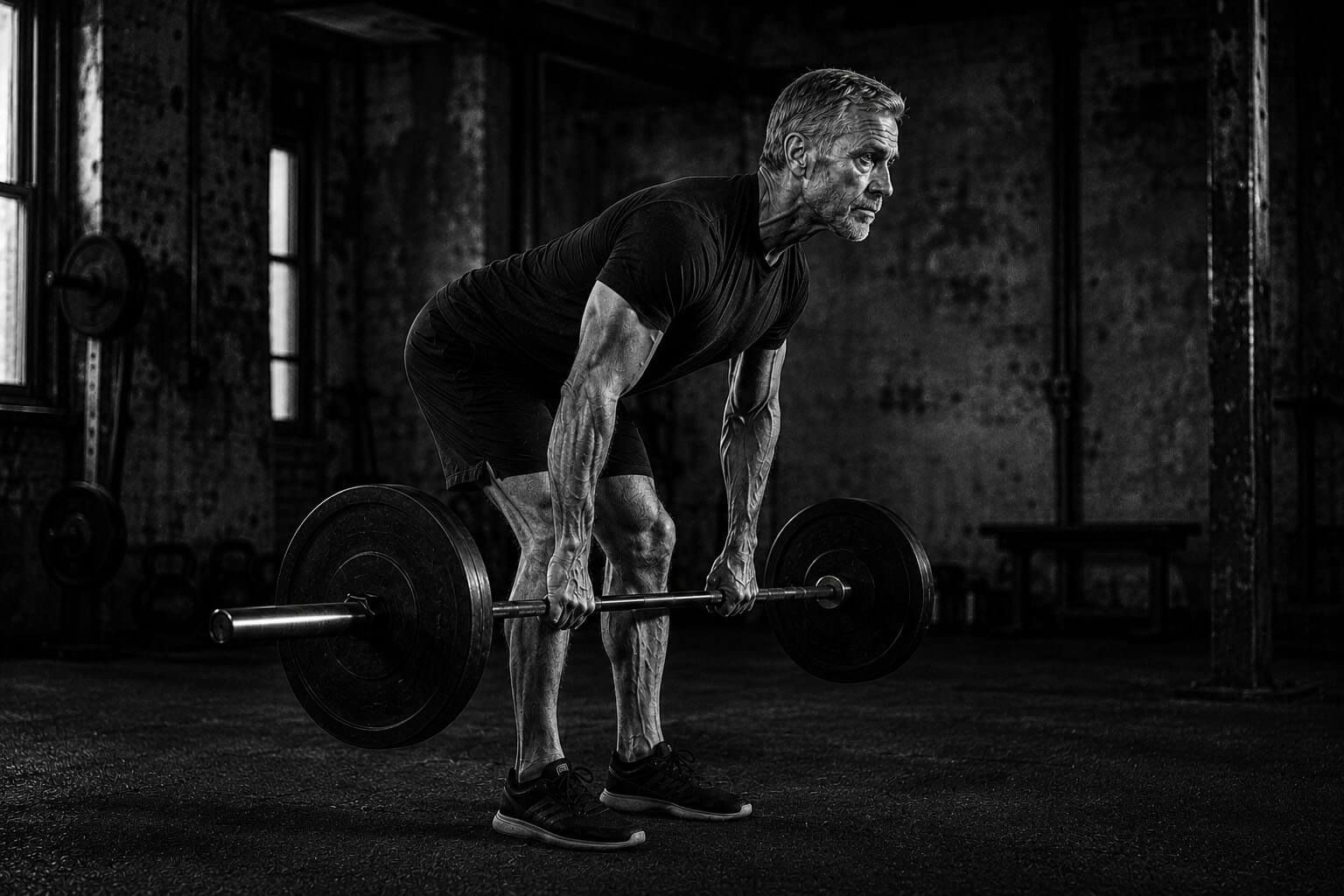
Person lifting a barbell in a dim gym, wearing dark workout clothes.
By Craig McBreen • July 3, 2026
Most people over 50 stretch their hamstrings and wonder why nothing changes. Here is what is actually going on, and how to fix it for good.
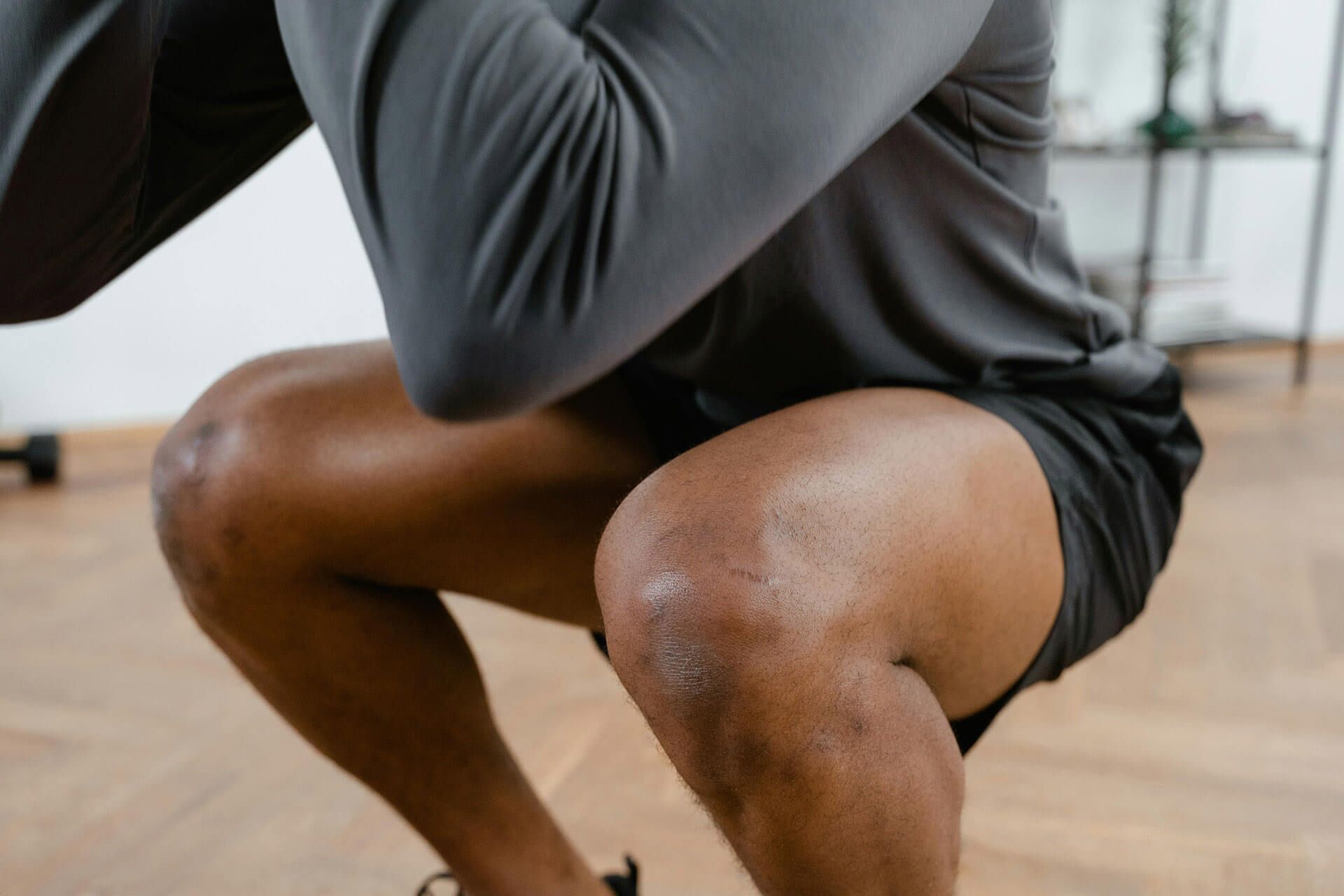
A person in a gray long-sleeved shirt and black shorts performing a deep squat in a gym setting.
By Craig McBreen • May 12, 2026
Most men over 50 have weak, underactive glutes and don't know it. Here's what that's costing you, why it happens, and the five exercises that fix it.
A person performing a bicep curl with a red 10-pound dumbbell in a gym setting.
By Craig McBreen • April 9, 2026
Most men over 50 think building muscle is behind them. It's not. Here's what the research says, what my transformation from 240 lbs proved, and...
A close-up view of hands holding and pinching excess skin around the midsection.
By Craig McBreen • April 8, 2026
Most men over 50 are grinding cardio and getting nowhere. Here's why cardio isn't the answer for belly fat after 50, and what my own 240-lb transformation says actually works.